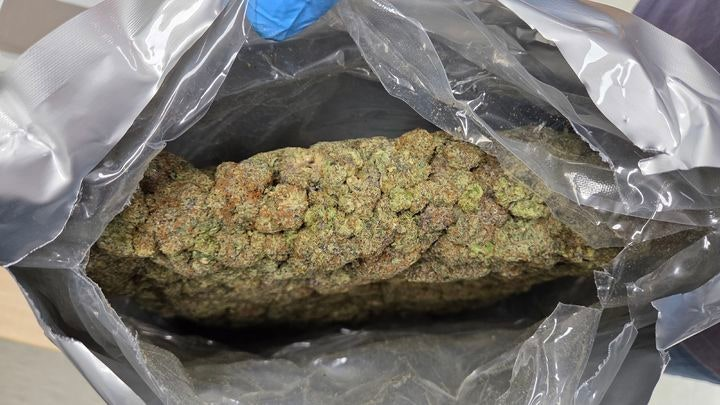
An ethnic Korean member of a Yakuza gang based in Japan was detained and charged with importing over 636 kilograms of marijuana into South Korea on April 10. The 53-year-old suspect had violated the Narcotics Control Act by smuggling a quantity valued at around 95.4 billion Korean won. He had loaded the marijuana into a shipping container departing from Thailand in early March and arranged for it to arrive at Incheon Port later that same month.
“This comes to me as a complete surprise and it is rather unsettling to realize how something that seems to be so distant can still be relevant,” Jin Kim (12), Japan enthusiast, said. “It makes me think about how hard it is to regulate these networks that appear to be extremely complicated.”
Among the drugs imported for domestic distribution, the quantity that was seized was recorded as the largest ever. Authorities were also able to identify four Vietnamese nationals who supposedly sold the drugs to the suspect; the former subsequently sought arrest warrants for the offenders and planned to request Interpol red notices.
The perpetrator conspired with a drug trafficking organization based in Ho Chi Minh City and paid for the drugs in cryptocurrency to evade tracking. Officials also discovered that the man had ties to international drug networks, including a potential clandestine operation that involved narcotrafficking from Colombia as well as coordination with an anonymous associate in Spain.
The case underscores the growing sophistication and global reach of modern drug trafficking networks, which increasingly exploit technology and international logistics to evade detection. As these threats become more extensive, South Korea may need to strengthen its regulatory frameworks, surveillance capabilities, and international cooperation to more effectively combat the evolving narcotics trade.