Ask any Korean what tteokbokki means to them, and you will not get a simple response of “street food.” You will hear childhood memories and laughter, feeding something deeper than hunger: the soul.
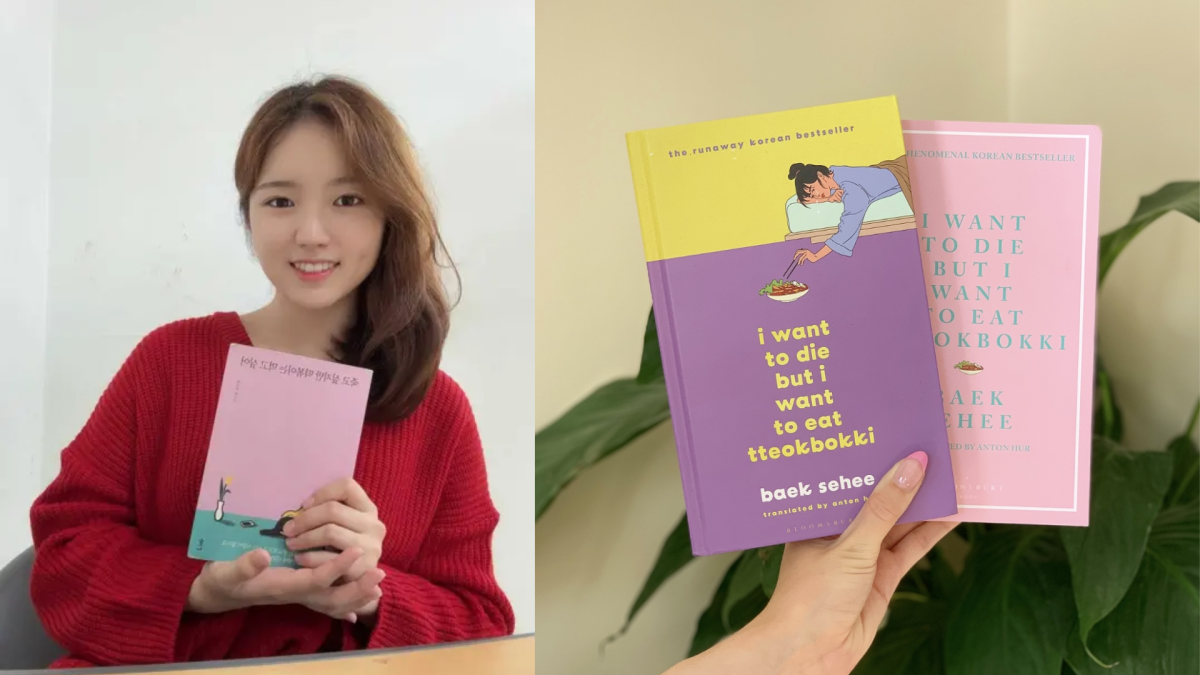
World-renowned South Korean author Baek Se-hee, known for the book “I Want to Die but I Want to Eat Tteokbokki,” died on Oct. 16 from unknown causes. She was best known for this candid memoir, a recollection of her struggles with mental health.
In the book, she explores humanity’s fragile bond between the drive to live and the constant sorrow that surrounds it. Like a steaming plate of tteokbokki that brings warmth and comfort on a difficult day, she wrote the memoir to provide strength and comfort to people in the face of adversity.
Her book is based on her experience as a patient who suffered from dysthymia, also known as persistent depressive disorder. As she underwent a decade of psychiatric therapy, she wrote about her experience on the internet.
When she received comments of inspiration on her blog posts, she decided to publish her memoir, a collection of conversations she had during therapy sessions. Topics discussed in the dialogue include self-doubt, social pressures, and finding hope in the face of dire circumstances. Baek employed an honest, open tone in sentiment to normalize conversations about mental health.
“There are two things that are happening when people talk about their inner struggles,” Chris Bracciano, AP Psychology teacher, said. “By forcing yourself to put things into words, you are organizing your thoughts, allowing you to be critical, reflecting on your behavior and thought process. And by having a therapist who listens to these things, you can get feedback on strategies that you could apply to do things differently.”
One of the main messages of “I Want to Die but I Want to Eat Tteokbokki” was embracing imperfection in a society built on superficial ideals, reflecting the daunting cultural pressure to be perfect in South Korea.
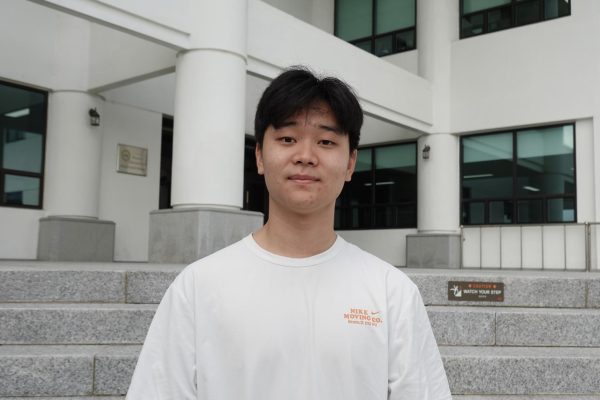
“I think many of us are sleep deprived due to pressures of being perfect, and it sometimes brings out the worst [in] us,” Minho Chun (11), AP Psychology student, said. “It also leads to unhealthy cycles, but I believe there are things students can do to decrease the negative effects of cultural pressures. Sometimes, we need to take a step back and look at our problems from a distance. It helps us determine what really matters to us.”
In addition to cultural pressures, there are also social dynamics that shift the norms surrounding openness.
“There are two different types of societies: individualistic and collectivistic,” Mr. Bracciano said. “Korea is considered more individualistic, while America is perceived as more collectivistic. This means that people in America are more likely to speak out about themselves and are less concerned about how others might perceive them. Thus, they are more likely to get help and go to therapy than Koreans might do.”
Regardless of social dynamics and cultures, Baek’s message resonated with millions of people around the globe, with the book being translated into 25 languages. Baek showed the world that everyone has moments of joy—reasons to continue life—even if it is as simple as a plate of tteokbokki. Although she may be gone, her message will remain ingrained in the pages of her memoir, living in the minds of her beneficiaries.