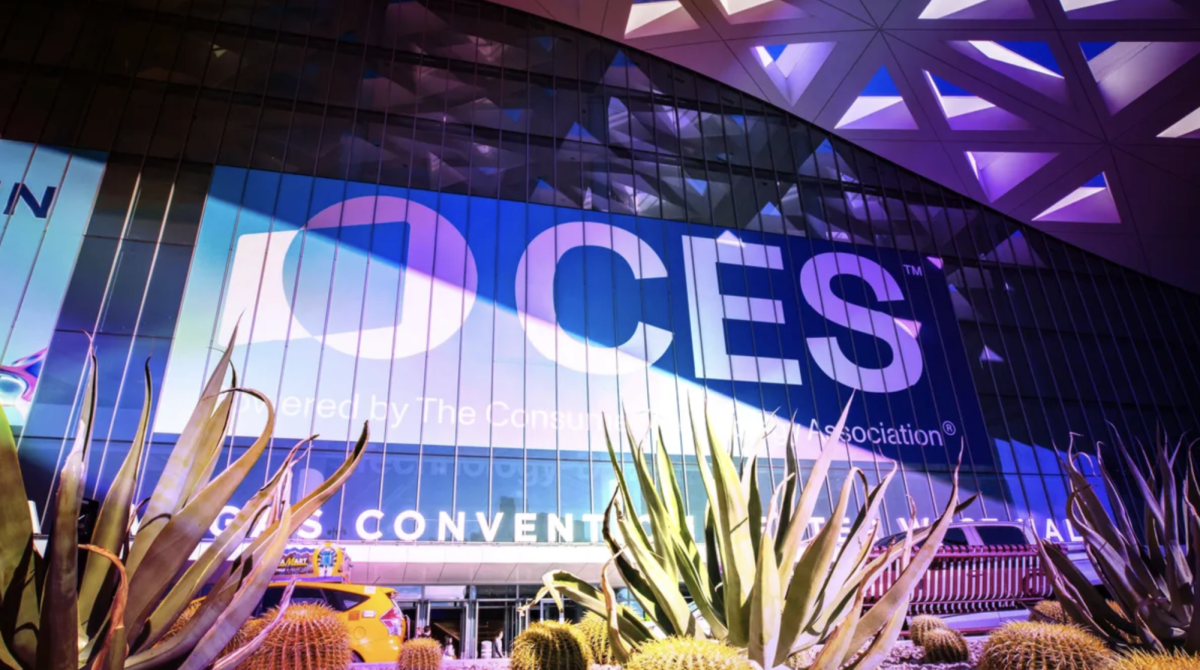
Artificial intelligence has been developing rapidly recently, and several artificial intelligence companies have recently announced their plans for 2026 in this year’s annual Consumer Electronic Show (CES). The key message of these plans is that AI is evolving beyond a tool, and that it may interact autonomously with humans.
The show was held in Las Vegas from Jan. 6-9 and showcased new technology in mobility and robotics, including the HORSE trend. This trend involved the fields of Health-tech, Open Ecosystem, Robot, Self-Driving, and Energy, all of which contributed to the progress in blue-collar autonomy.
Multiple companies highlighted the growth of self-piloting robots, which would be able to critically judge rather than just responding to commands and executing pre-programmed routines. This advancement marks the transition from AI as a co-pilot, or the complement to human intelligence, to auto-pilot, in which machines can make autonomous decisions.
Recent examples also point to this shift. Samsung announced its focus on daily AI companions, aiming to integrate smart appliances into everyday life. LG’s CLOiD, a home assistant that operates smart devices on behalf of homeowners, was also recently unveiled, while Hyundai announced a self-piloting humanoid robot which will begin working in its EV manufacturing plants this year.
“I believe that AI will be part of our daily lives, and we will start to depend on AI for even the smallest things,” Jen Park (10), AI For Social Impact member, said. “Right now, I think we can see the beginning of this through how students rely on ChatGPT or AI tools for simple tasks like homework.”
The CES emphasized the significance of user experience and consumer-oriented technology over isolated tools. Innovations often target accessibility issues, aiming to increase outreach and widespread adoption. As artificial intelligence advances, 2026 may see increased integration into everyday life.