A curse has befallen ESPN. Once an iconic pillar of American sports culture, it spearheaded the sports media revolution by broadcasting artistic journalism and fearless investigation, all with a sprinkle of subtle deadpan humor. Now, only a mere shell of its former glory remains. The once acclaimed epiphany of sports media has fallen into a vertigo of pure, unbearable ragebait, a dreary foreshadowing of the downfall of sports journalism.
Despite its current travesty, the heritage of the Entertainment and Sports Programming Network is truly remarkable. Starting as a modest operation in the quiet city of Bristol, Connecticut, it broke the mold of sports networks, pioneering eccentric ideals. Broadcasting a whopping 24 hours a day, ESPN specialized in niche sports, covering everything from college basketball to lawn-mower racing.
But ESPN’s dutiful coverage of competitive fishing and the putt-putt championship was not all that they had: they presented distinct, unforgettable personalities, offering intriguing opinions, perspectives, and cultural interweaving in the rather stale sports landscape of the 1970s. Anchors like Stuart Scott used memorable catchphrases, slang, and hip-hop culture references to elevate the viewing experience, using phrases such as “call him butter cause he’s on a roll,” or “he must be jelly cause jam don’t shake like that!” They were diverging from the formal reporting of scores and statistics that dominated sports coverage at the time. ESPN was pushing sports commentary to its absolute limits.
“ESPN was the first and only full-time sports network at the time,” Chris Del Vecchio, professional sports commentator, said. “When I was younger, I would have breakfast and watch SportsCenter every day. SportsCenter would repeat every hour from around 6 to 11 a.m. with a full cycle of all the game highlights. I would get up in time to watch all the game highlights. I think that ESPN prided itself on being able to provide people with an accurate summary of what happened in all the major leagues.”
Even in the realm of investigative journalism, ESPN respected no bounds. In the program “Outside the Lines,” they investigated events that occurred beyond the court, covering everything from sports scandals and corruption to doping and gambling. The program “E:60” featured similar themes but specialized in longer, narrativized documentaries. Spotlights on specific athletes outside their area of expertise, lingering social injustice issues in the sports industry, and the health implications of physically demanding sports were among the common topics reviewed by these programs.
ESPN was dauntless in discussing controversial topics in depth, going beyond the normal boundaries of sports coverage and taking it upon themselves to uncover the uncomfortable truth beneath the chaos of numbers and statistics.
They had essentially redefined sports journalism, elevating it to an unprecedented level of unadulterated immersion. Monopolizing sports journalism by the 21st century, they were aired by most television stations nationwide and signed contracts with major sports leagues like the National Football League. ESPN had undoubtedly initiated a sports media revolution.
So why did this mammoth of national influence, once praised for candid and exploratory journalism, tarnish its legendary trailblazing reputation?
“At the crux of it all, is it greed,” Christopher Van Swol, avid Milwaukee Brewers fan, said. “The provocative nature of modern sports journalism is to simply get clicks, to get public attention. They do not care about what the people want anymore; their focus is solely on monetization through the interaction people have with their platform. I hate it.”
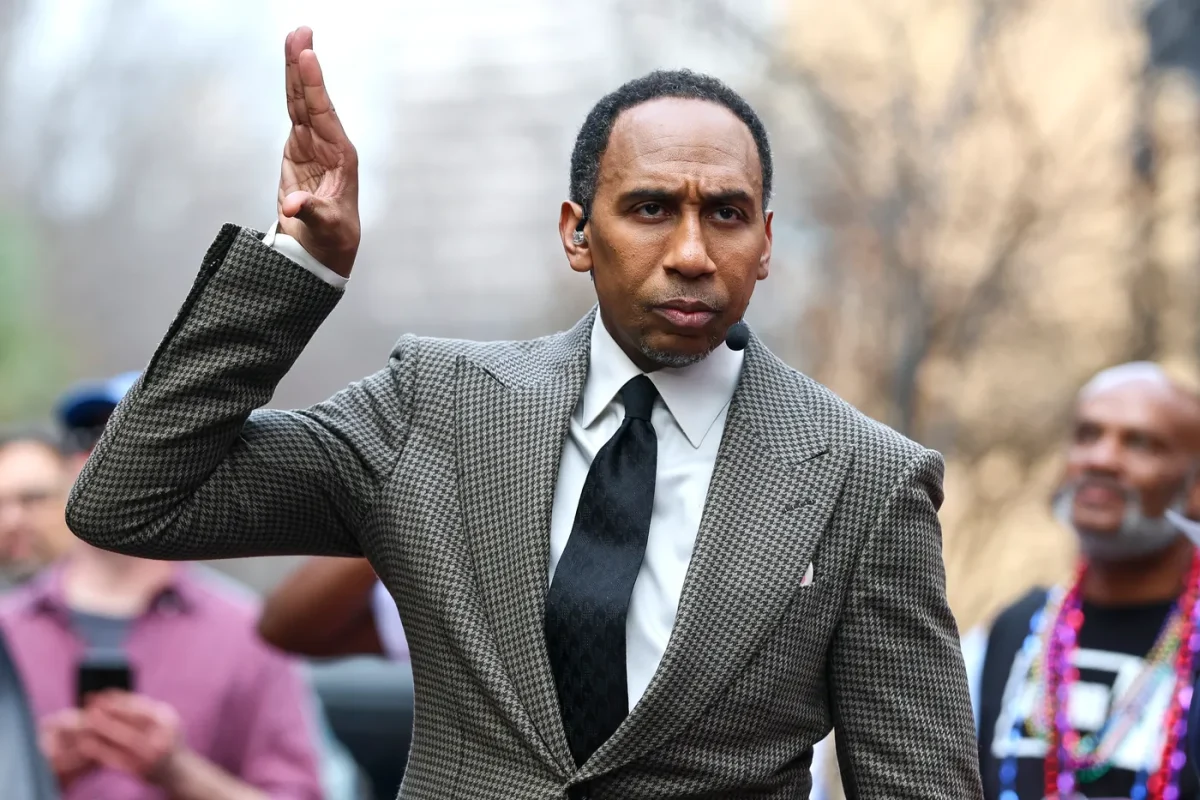
Stephen A. Smith is one of the few left from the glory days of ESPN, but instead of carrying the ESPN identity into the next generation of sports fans, he has simply ended it. Playing Solitaire during NBA games that he will inevitably comment on, advertising gambling sites to undermine his negligence, berating anchors with controversial takes, shouting utter incoherence in the name of clout, he has become the epitome of the current state of sports journalism.
Long gone is the endearing past of the wry humor of Cheap Seats and the salience of SportsCenter anchors. Hundreds of journalists have been laid off over recent years, and beloved personalities have gradually left the sports media scene. ESPN has become a hollow factory, churning out bizarre, inflammatory takes that do not foster captivating discourse but simply enrage the audience. The once-nuanced debates over conflicting stances have been overthrown by the virality of insanity.
“If I had to describe the current state of sports journalism in one word, it would be fraudulent,” Mr. Van Swol said. “[It is] because their decline in quality is not the only issue. ESPN and other sports media platforms are making deals with gambling sites. So many of these leagues are promoting and pushing online gambling. ESPN even has its own betting service, inked at the bottom of every program with the latest odds. [Companies] are getting people addicted to losing their money to gambling agencies, something that is highly addictive. What are we doing here?”
The gambling odds have done far more than merely incentivize the addiction; they have also completely changed the viewing experience of sports as a whole.
“Every year, I go through this process of lamenting how Fantasy Football has changed the way that I watch football,” Mr. Del Vecchio said. “I now watch players instead of teams until the Fantasy season is over. The legalization of sports betting and integration of sports betting platforms in actual broadcasts have rapidly changed the way that people watch sports.”
Sports fans would previously cheer for a single team, often listening to broadcasts that specialized in that team. Now, with the emergence of sports betting, the meaning of “team” has been undermined at a macro level, with most bets geared toward individual athletes’ performances, especially those involving the league’s stars. Spectators are becoming detached from the humanistic elements of sports that foster emotional appeal.
Companies may say “customer is king,” but for ESPN, they are less than peasants. They place the leagues and gambling sites at the forefront of their agenda, diligently maintaining the integrity of their business partners while mitigating scrutiny. Absolute caution is exercised regarding the graft within the sports industry hierarchy, while downplaying blame and attention through mediocre athletes. Sports betting scandals go silently under the radar, while domestic abuse incidents are resolved with a mere two-day ban. ESPN has lost its journalistic reputation, with thousands of followers abandoning ship.
“We need to make a decision as a sports society: what is the purpose of spectator sports?” Mr. Del Vecchio said. “I would like to see people get back to remembering why they fell in love with sports, without letting the way that sports are publicized detract from the value of sports and as a feature of culture.”
Perhaps it’s time to look back at the origin of why sports cultivate culture, and what it truly means to be “journalistic.” From reporting highlights of inspiration every morning, ESPN has strayed from what it once aspired to become. Only time will tell whether sports journalism will ever recover, returning to its former cultural glory, serving the audience with genuine growth that continues to act as a beacon of inspiration for generations to come.