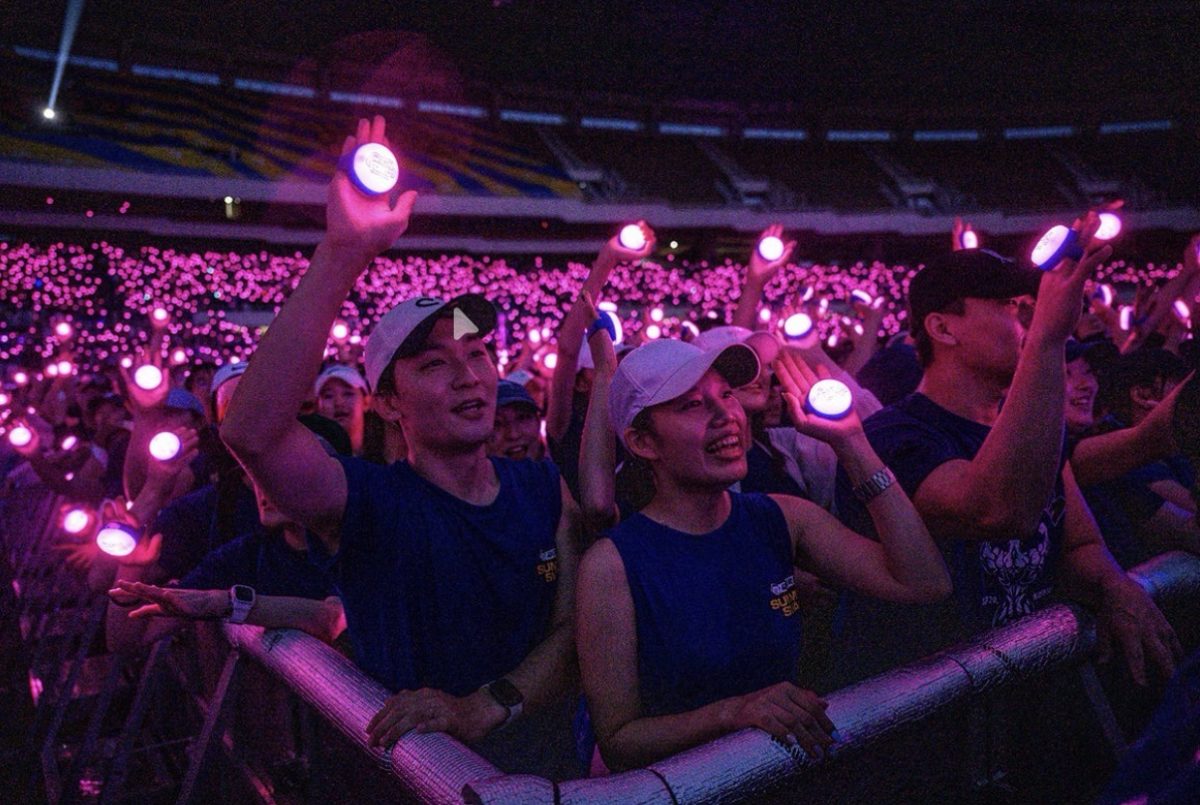
Fan signs, fan calls, and fan chants. All of these practices define Korean celebrity culture, forming the basis for the intimate relationships that fans share with their celebrities. Yet one must wonder: in a world where celebrities celebrate their birthdays via livestream with their fans, has celebrity culture gone too far?
Such parasocial relationships are prevalent in the Korean celebrity scene. In a deeply industrialized fan-celebrity relationship, fans often view themselves as investors in their idols, and by extension, their idols as investments or “products.” While healthy fan relationships do exist, extreme cases of celebrity culture are also particularly common in Korea.
These extremes are heavily influenced by the monetization of proximity, as fans purchase official memberships or pay to enter draws for one-on-one video calls. They also often dedicate significant money, time, and labor to help their idols achieve success through streaming, voting, and buying albums—all important statistics that contribute to a Korean celebrity’s career.
Agencies arguably cultivate these parasocial relationships, selling a supposedly intimate connection between fans and celebrities to capitalize on fans’ deep emotional bonds. For example, apps like Bubble or Weverse simulate one-on-one personal chats with K-pop idols, even though the idol’s message is delivered to thousands of fans in reality. The actual individual chatting experience is typically locked behind a paywall.
In addition, Korean celebrities are often much more strongly tied to their agencies than celebrities in other countries. They often undergo a training system under their agencies in which they compete to debut, assessed on criteria such as singing, dancing, and appropriate behavior when meeting fans—often referred to as “fan service.” This highly structured system allows the agency to curate its idols, an approach unique to Korea. Singers and performers in Western countries, for instance, utilize a more authentic persona.
Not only does this dynamic fuel fans’ sense of “ownership” over celebrities’ lives, but it also supports the illusion of availability. Many idols claim that their loyalty belongs exclusively to the fandom, although this message, too, may be a public-relations strategy. Some agencies explicitly include a “no dating” clause in contracts with their stars in addition to other stipulations about maintaining a positive public image.
This power dynamic manifests in the extreme reactions that numerous fans voice about celebrities. Dating rumors—disruptions of the manufactured image of availability—are typically met with barbarically harsh backlash, and idols frequently apologize for such rumors, even when not at fault. Fans may send trucks emblazoned with protest banners to company headquarters or organize online boycott movements in response to their idols falling short of their idealized expectations, leaving little room for personal lives.
The most extreme manifestation involves sasaeng fans, a Korean term for “stalker” fans. These fans are notorious for violating the privacy of idols, seeking out celebrities’ homes, disguising themselves as staff or reporters, and stealing personal information. Such fans are often motivated by a desire to receive individual—even if negative—recognition from their idols.
At the same time, however, many idols continue to maintain vocally defensive fandoms amid legal or criminal scandals. For example, Seungri (Lee Seung-hyun) of K-pop group BigBang still maintains a substantial subset of defenders despite facing conviction in a massive prostitution mediation scandal in 2019, and actor Kim Soo-hyun received a global defense from fans after allegations of grooming a fellow actress. The parasocial nature of fan-celebrity relationships leads fans to believe that they know their idols’ characters on a personal level, clouding judgment when scandals break out.
The deeply parasocial relationship between fans and celebrities in Korean celebrity culture has clear drawbacks. Yet many fans also find a sense of belonging and comfort in their fan communities. For better or worse, these fans often view their fandom as a defining element of their identity—ultimately, they must find a healthy, sustainable balance in their support of celebrities.