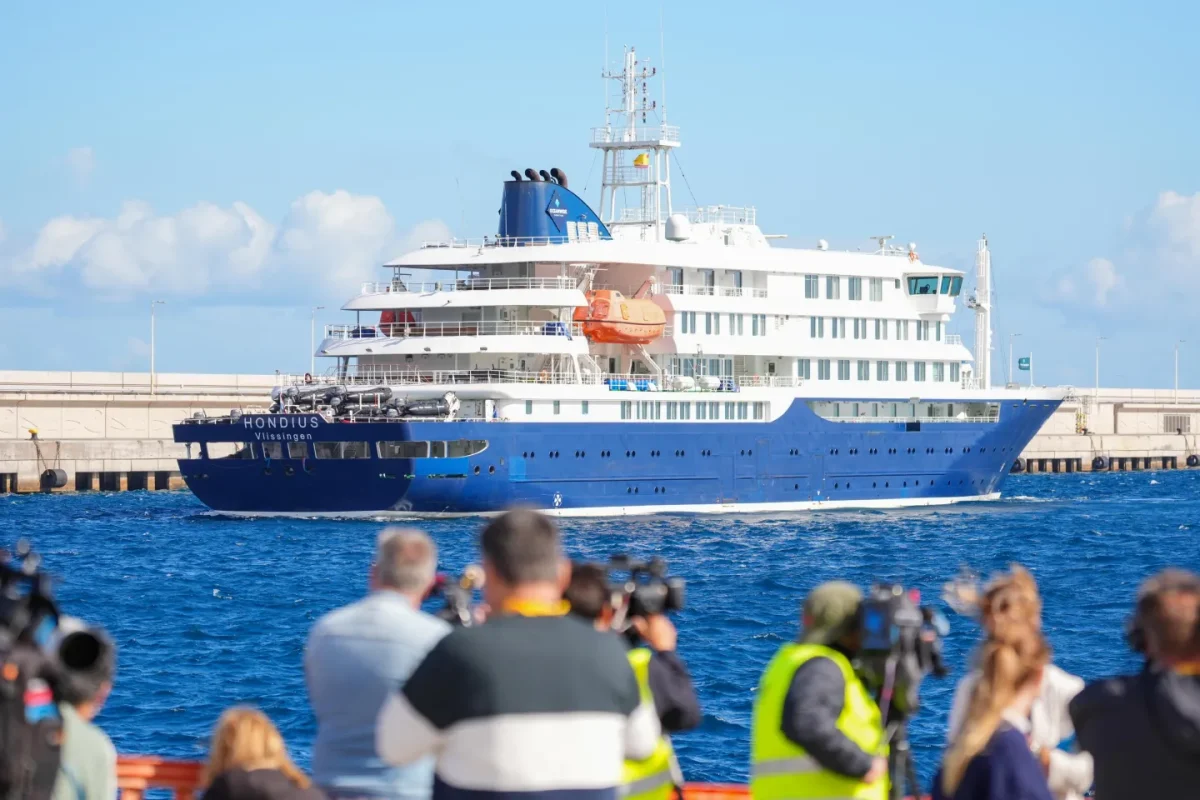
The World Health Organization (WHO) was recently notified of a cluster of acute respiratory illnesses, including two deaths and one critically ill passenger, aboard a Dutch-flagged cruise ship named the MV Hondius. Lab reports revealed that the illness was caused by a virus called Hantavirus, with cases increasing day by day. Now, with its introduction, netizens are raising concerns fearing another global pandemic similar to Covid-19.
Hantavirus, or Orthohantavirus sierranadense, is a group of viruses carried by rodents that can spread through urine, droppings, or saliva. Affected individuals suffer severe respiratory illness, with fatality rates estimated upwards to 50 percent. Though it has survived mainly in labs or in small numbers across the world, the virus raised global concern when it was discovered on the MV Hondius, a Dutch expedition ship that hosts vacation tours.
Since news outlets reported the Hantavirus, social media has begun to spread mass hysteria across various platforms, as viewers not only fear that the Hantavirus would be similar to Covid-19 in its capability to harm, but also are concerned about entering another global lockdown. During the Covid-19 outbreak, the entire world shut down as lockdown policies mandated quarantining and social distancing. Such a large-scale global pandemic had not occurred since the Spanish Flu in the early 20th century, but Covid-19 left a significant impact on both the world and the way we view viruses.
“The Hantavirus has mainly been dormant,” Seoyoung Lee (10), aspiring medical student, said. “There weren’t a lot of cases reported since the virus was discovered, so I was quite surprised when I heard that an entire cruise ship was quarantined to prevent its spread.”
The first patients were identified to be a Dutch couple who contracted the virus before boarding the ship on April 1, with health officials estimating that they likely caught it while touring areas of Argentina and Chile. Because the virus had an incubation period, the patients failed to notice any symptoms, resulting in the virus spreading throughout the ship as the couple continued their interpersonal interactions on the ship.
After more passengers began to fall ill or, in extreme cases, pass away, the ship was immediately subjected to strict quarantine and isolation measures by international authorities, with the ship eventually anchoring on the coast of West Africa. Social media has played a significant role in informing the public about the current situation of the virus, and concerns about another global pandemic have worried countless individuals.
“I hope Hantavirus doesn’t grow to the scale of a global pandemic,” Henry Choo (10), Covid-19 survivor, said. “It was really hard to adapt to digital learning and isolating myself from my friends for three years, and I don’t think I would be able to do that again.”
However, the virus itself hasn’t spread as much as social media claims it has. Though many content creators have created videos stating that Hantavirus has the potential to become a global pandemic or stated other comments that alarm viewers about the dangers of the virus, the number of cases is quite limited, with eight confirmed cases and three deaths. While the main concern has been over the other passengers who disembarked from the cruise ship between May 10 and 17, the cases have been generally limited thanks to the efforts by international health authorities such as the WHO.